Sevabertinib Wins FDA Approval with Strong Responses in HER2+ NSC Lung Cancer
20 November 2025
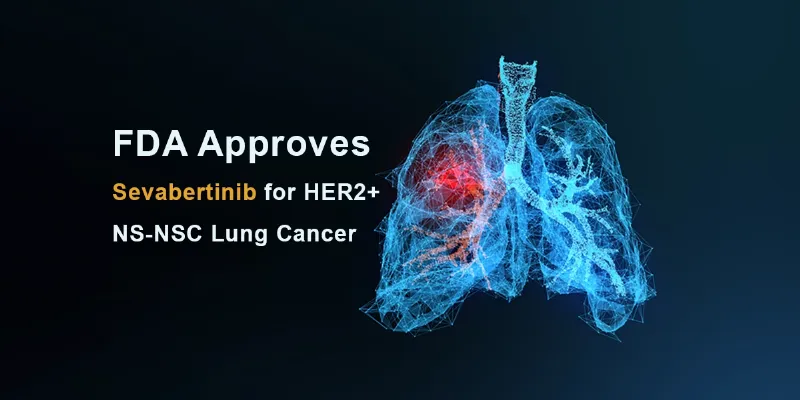
The FDA has granted accelerated approval to sevabertinib (Hyrnuo), for previously treated HER2-mutated metastatic non-squamous non-small cell lung cancer, based on strong activity in the Phase I/II SOHO-01 trial. The oral tyrosine kinase inhibitor (TKI) achieved a 71 percent response rate in patients without prior HER2-targeted ADCs and 38 percent in those previously exposed, with median response durations of 9.2 and 7.0 months respectively, and a manageable safety profile.
The decision applies to patients who have already received systemic therapy and is supported by data from the ongoing SOHO-01 trial. The agency simultaneously approved the Oncomine Dx Target Test as a companion diagnostic to identify eligible patients.
Sevabertinib targets a population with limited treatment choices, since HER2 mutations represent a small but clinically challenging non-small cell lung cancer (NSCLC) subset. The approval follows a Priority Review and builds on Breakthrough Therapy designation granted in 2024 for patients with unresectable or metastatic disease previously treated with systemic therapy.
Robust Activity in Previously Treated HER2+ NSCLC
In SOHO-01, efficacy was evaluated across two key cohorts of patients with HER2 tyrosine kinase domain activating mutations who had received at least one prior systemic therapy. All responses were assessed by blinded independent central review.
In the cohort without prior HER2-targeted antibody drug conjugates, 70 patients received sevabertinib. The confirmed objective response rate reached 71 percent, 95 percent confidence interval 59 to 82. Median duration of response was 9.2 months, confidence interval 6.3 to 15.0, and more than half of responders maintained benefit for at least six months.
Among 52 patients previously exposed to HER2-targeted antibody drug conjugates, the response rate was 38 percent, confidence interval 25 to 53. Median duration of response was 7.0 months, confidence interval 5.6 to not evaluable, and 60 percent of responders had sustained benefit beyond six months. These findings form the basis for accelerated approval. Continued authorization will depend on confirmation of clinical benefit in a dedicated trial already underway.
Safety Profile and Key Precautions
The prescribing information highlights several clinically relevant toxicities. Diarrhea is the most common and can be severe. In pooled safety analyses, diarrhea occurred in 86 percent of patients, including grade 3 events in 15 percent. Median time to onset was four days, and a subset required dose interruptions or reductions.
Hepatotoxicity occurred in 24 percent of patients, with three percent experiencing grade 3 elevations in liver tests. Interstitial lung disease or pneumonitis was reported in 0.7 percent, including one grade 3 case and one treatment interruption. Ocular toxicity occurred in 14 percent of patients, ranging from mild visual disturbances to a single grade 3 event involving corneal epithelial microcysts with transient unilateral blindness.
Other frequent adverse reactions included rash, paronychia, stomatitis, and nausea. Serious adverse events occurred in 31 percent of treated patients in SOHO-01, most commonly diarrhea, pneumonia, dyspnea, and pleural effusion.
The recommended dose is 20 milligrams orally twice daily with food, continued until disease progression or unacceptable toxicity.
A Targeted Therapy Derived from Translational Collaboration
Sevabertinib emerged from a research partnership between Bayer and the Broad Institute of MIT and Harvard, reflecting a broader effort to advance precision therapeutics for genetically defined lung cancer.
For clinicians treating HER2-mutated non-squamous NSCLC, the approval provides a new oral targeted therapy with meaningful response rates in patients who have already exhausted standard options. As confirmatory data mature, its long-term role in the treatment landscape will become clearer, but early signals point to a promising addition for a biologically distinct patient group.


Comments
No Comments Yet!